You’ll get exceptional quality with IPTV when your internet meets bandwidth requirements—25 Mbps delivers 4K resolution at 60fps with HDR support. Modern IPTV matches traditional TV’s picture quality while adding Dolby Atmos.
Your streaming performance depends on connection stability, with adaptive bitrate technology automatically adjusting quality to prevent buffering.
Quality issues like pixelation or freezing typically stem from insufficient bandwidth or network congestion. The right setup transforms your viewing experience completely.
Picture and Audio Quality Compared to Traditional TV Services
When you’re evaluating IPTV’s picture quality, you’ll find it can match or exceed traditional cable and satellite services, delivering up to 4K resolution at 60fps with HDR support.
bandwidth availability
Your streaming resolution depends on bandwidth availability—20 Mbps supports stable 4K streaming, while 5 Mbps handles 1080p adequately. IPTV’s adaptive bitrate technology adjusts quality based on your connection speed, preventing buffering.
superior audio formats
You’ll experience superior audio formats through IPTV, including Dolby Atmos and DTS:X support, surpassing traditional TV’s compressed audio. Standard cable broadcasts typically max out at 1080i resolution with stereo or 5.1 audio, while IPTV platforms.
internet stability
However, you’re dependent on internet stability—network congestion directly impacts quality, unlike traditional TV’s consistent signal delivery through dedicated infrastructure.
Key Factors That Determine IPTV Streaming Performance
Why does your IPTV stream buffer while your neighbor’s runs flawlessly? Several technical factors directly impact your streaming performance. Your internet connection’s bandwidth determines how much data you can receive simultaneously.
adaptive bitrate
Streaming protocols like HLS, MPEG-DASH, and RTSP affect how efficiently data packets reach your device. Modern adaptive bitrate protocols automatically adjust quality based on available bandwidth.
Your home network’s bandwidth management settings also matter—QoS configurations prioritize IPTV traffic over other internet activities.
Hardware capabilities
Server proximity influences latency; closer content delivery networks mean faster response times. Hardware capabilities, including your router’s processing power and your device’s decoder efficiency, complete the performance equation.
Common Quality Issues and How to Troubleshoot Them
Buffering, pixelation, and audio sync problems plague IPTV users more than any other streaming issues. You’ll encounter these problems when your connection can’t handle the stream’s bitrate requirements.
Here’s how you can fix common problems:
- Buffering issues: Reduce your resolution settings from 4K to 1080p or 720p to decrease bandwidth demands
- Pixelation: Check packet loss rates using network diagnostic tools; anything above 1% requires ISP intervention
- Audio desync: Adjust audio delay settings in your player; typically +100ms to +300ms corrects most sync problems
- Freezing streams: Clear your device’s cache and restart your router to refresh the connection
You’ll achieve optimal performance by matching resolution settings to your available bandwidth. Most buffering issues disappear when you allocate 25% overhead above the stream’s required bitrate.
Choosing a Reliable IPTV Provider for Best Results
How to Identify Legitimate IPTV Providers:
- Verify licensing and registration:
- Confirm the provider holds valid content distribution licenses.
- Check for official business registration and contact transparency.
- Review service transparency:
- Look for detailed terms of service and clear pricing plans.
- Ensure they list technical specifications, such as:
- Server uptime guarantees (typically 99.5% or higher)
- Supported codecs and streaming formats
- Evaluate customer feedback:
- Analyze reviews on forums, Trustpilot, Reddit, etc.
- Focus on metrics like:
- Stream stability
- Channel availability
- Customer support responsiveness
- Test with trial periods:
- Use free or paid trials to assess:
- Video bitrate
- Latency and buffering
- Device compatibility
- Use free or paid trials to assess:
- Inspect infrastructure and technical standards:
- Check for:
- Redundant CDN systems
- Availability of API documentation
- Service Level Agreements (SLAs)
- Check for:
- Ensure proper security protocols:
- Look for providers that use:
- Encryption (e.g., SSL/TLS)
- Secure authentication systems
- Look for providers that use:
- Cross-reference provider claims:
- Compare their statements with independent benchmarks from:
- IPTV user forums
- Technical review platforms
- Compare their statements with independent benchmarks from:
This approach helps you avoid scams and commit only to trustworthy IPTV providers.
Hardware and Internet Requirements for Optimal IPTV Experience
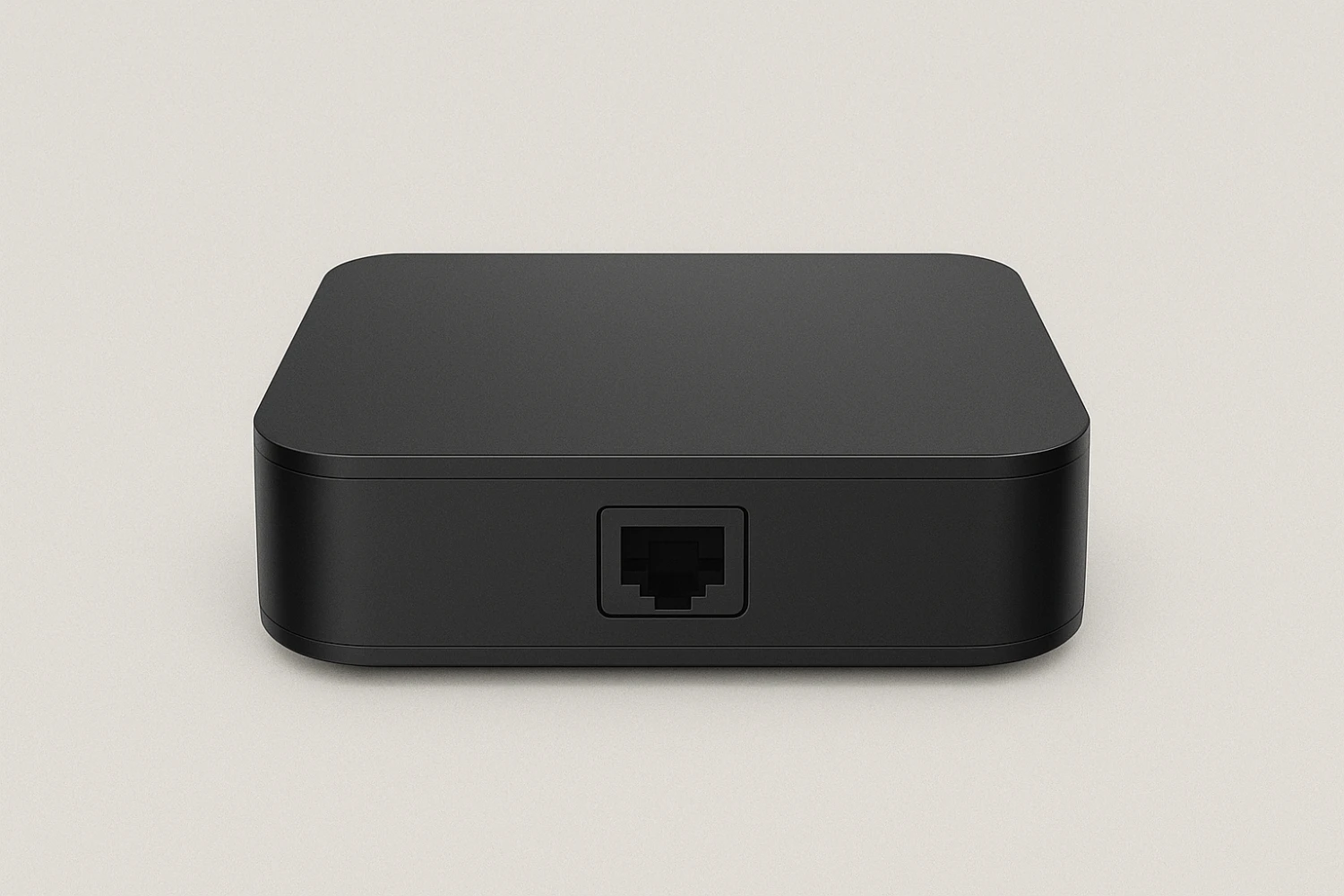
When you’re streaming IPTV content, your hardware’s processing power directly impacts picture quality and playback smoothness. You’ll need adequate network speed and proper device compatibility to avoid buffering and pixelation issues.
For optimal IPTV performance, ensure you meet these technical requirements:
- Internet Speed: Minimum 25 Mbps for 4K content, 10 Mbps for HD
- Processor: Quad-core 1.5 GHz or higher for 4K decoding
- RAM: At least 2GB for smooth app operation
- Network Interface: Gigabit Ethernet port or Wi-Fi 5/6 support
Your router’s bandwidth allocation and QoS settings significantly affect streaming stability. Modern smart TVs and dedicated IPTV boxes typically offer better hardware acceleration than older devices.
Wired connections provide 40% lower latency compared to wireless, ensuring consistent stream quality during peak usage periods.
Frequently Asked Questions
Is IPTV Legal in My Country?
You’ll need to check your country’s specific IPTV regulations, as legal implications vary significantly by jurisdiction. Research local broadcasting laws, licensing requirements, and copyright standards. Some nations allow personal streaming while others strictly prohibit unlicensed services.
How Much Does IPTV Typically Cost per Month?
You’ll find IPTV subscription plans range from $10-50 monthly, with affordable options starting at $15 for basic packages. Premium services typically cost $30-40, offering 4K streams, multiple connections, and extensive channel libraries with 99.9% uptime.
Can I Record Shows With IPTV Services?
You’ll find recording features vary significantly across IPTV services. Some providers offer cloud DVR functionality, while others impose service limitations preventing recordings due to licensing restrictions. Check each platform’s technical specifications before subscribing.
Does IPTV Work on Smart TVS Directly?
You’ll find most smart TVs support IPTV through native apps or browser-based players. Smart TV compatibility varies by manufacturer and model year. Device setup typically requires installing an IPTV app and entering your provider’s credentials.
Are IPTV Channels Available in Multiple Languages?
You’ll find IPTV channels offer extensive multilingual options across major providers. Regional availability varies by service, with most platforms supporting 20-50 languages. Technical standards like DVB-IPTV ensure proper subtitle and audio track delivery for international content.